
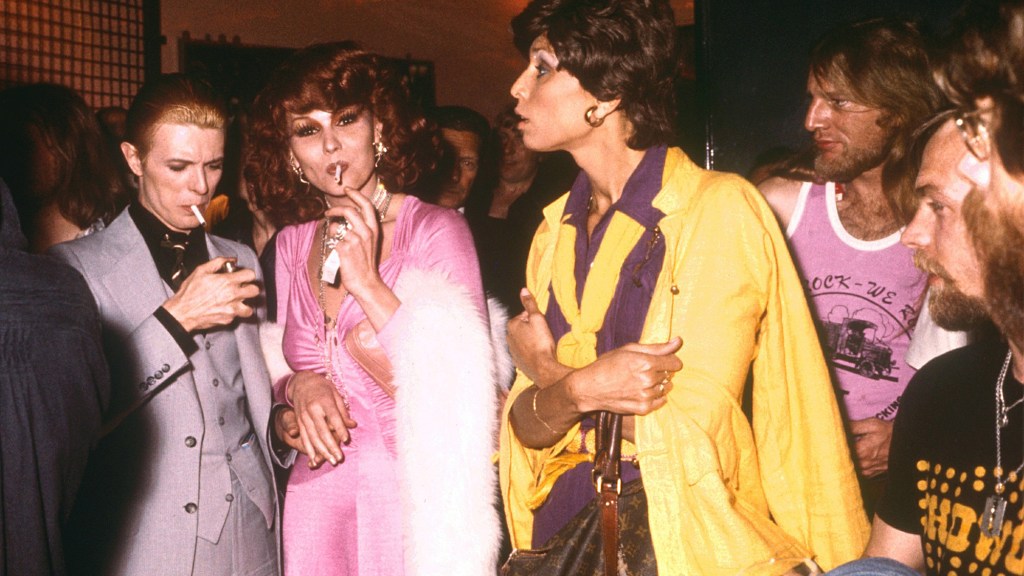
Attico’s new collection will be inspired on the 70’s of New York city, where everything happened after midnight.
The New York Times
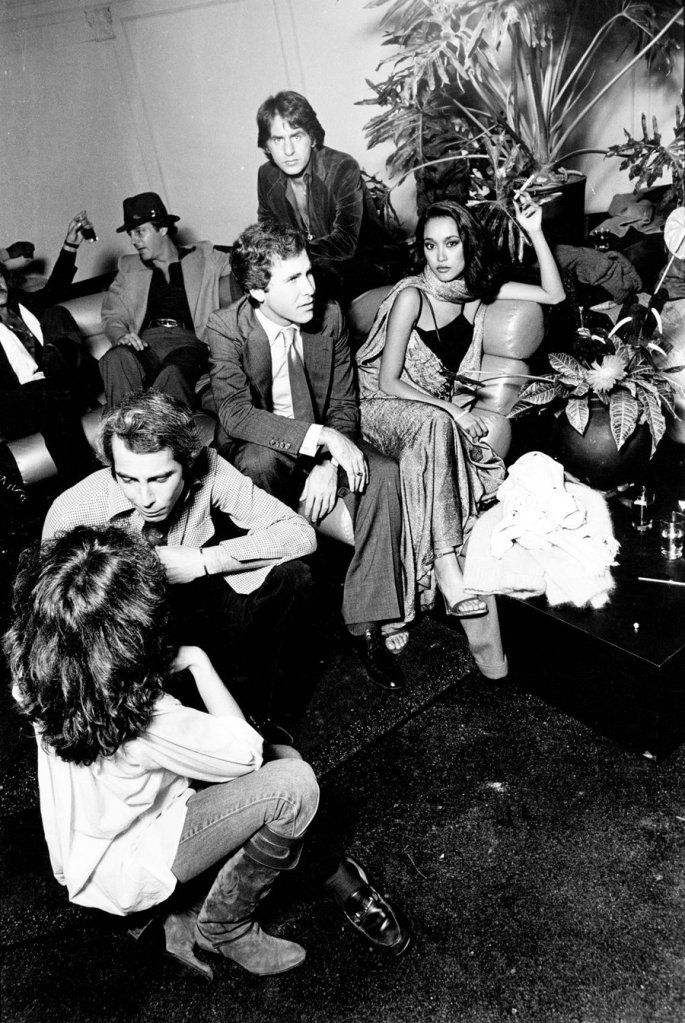
“Studio 54” documents the frantic efforts required for Mr. Rubell and Mr. Schrager to create the glamorous, liberating club of their dreams in an abandoned former opera house turned television studio on crime-ridden West 54th Street. They didn’t have a building permit when they started construction, which was completed in six weeks. Studio 54 had no liquor license when it opened — every day, they would get a temporary catering permit, a stopgap that continued for more than a year, and ultimately set their downfall in motion.
Opening night was a mob scene (“We were actually scared,” Mr. Schrager said, “we had to bring all the security inside out onto the street”), and then it was a matter of constantly scrambling to feed the beast of success. But between the extroverted Mr. Rubell’s cultivation of celebrities and the studious Mr. Schrager’s sense of style and theatricality, they set out to create the perfect party every night.
“It was the most magical club that ever existed,” Nile Rodgers of Chic, disco’s greatest band, said in a telephone interview. “Lots of clubs evoke a certain era — the Cotton Club, the Moulin Rouge, the Copacabana — but none of those did what Studio 54 did, where if you got in, you were a star, not just a person.”
 70sattico.fashion.blog